Thiruvananthapuram, Kerala, India, 27 August 2025 – In a major step toward advancing Kerala’s decarbonization agenda, the Global Green Growth Insitute (GGGI), together with the Energy Management Centre (EMC) and the State Designated Agency (SDA), Government of Kerala, hosted a workshop on “Kerala’s Building Registry & Low-Carbon Transition” .
The event brought together more than 40 building owners and Energy Conservation and Sustainable Building Code (ECSBC) experts, featuring technical demonstrations of the Building Emission Assessment Tool (BEAT) with real life buildings data.
This initiative is undertaken as part of the Asia Low Carbon Buildings Transition (ALCBT) Project, supported by the Government of Germany through the International Climate Initiative (IKI). In India, the ALCBT project is being implemented under the guidance of the Ministry of Housing and Urban Affairs (MoHUA), Government of India in three states: Haryana, Kerala, and Uttar Pradesh.
Under the project, GGGI has successfully developed a comprehensive registry of 400 buildings (300 existing and 100 new) in Kerala with potential for ECSBC compliance and adoption of low-carbon solutions. “Kerala was among the early states in India to adopt ECSBC, and the Department of Energy is keen to facilitate further initiatives like ALCBT project supporting India’s decarbonization journey,” shared Dr. Puneet Kumar (IAS), Additional Chief Secretary, DoE, Govt. of Kerala.
From the identified 400 buildings, 80 buildings will undergo deep dive assessment for low-carbon options and necessary intervention like cooling retrofits in existing buildings. “The buildings registry being developed under this initiative will serve as a bridge between policy and on-ground implementation,” highlighted Mr. Kulbhushan Kumar, Partner, Grant Thornton Bharat LLP, during his welcome remarks.
The project also observed persistent data discrepancies, like absence of Environmental Product Declaration (EPDs), poor compliance tracking mechanisms, and missing bill of quantities (BoQs), during the data collection process, despite active efforts by the central and state governments to fast-track energy efficiency programs in the country.
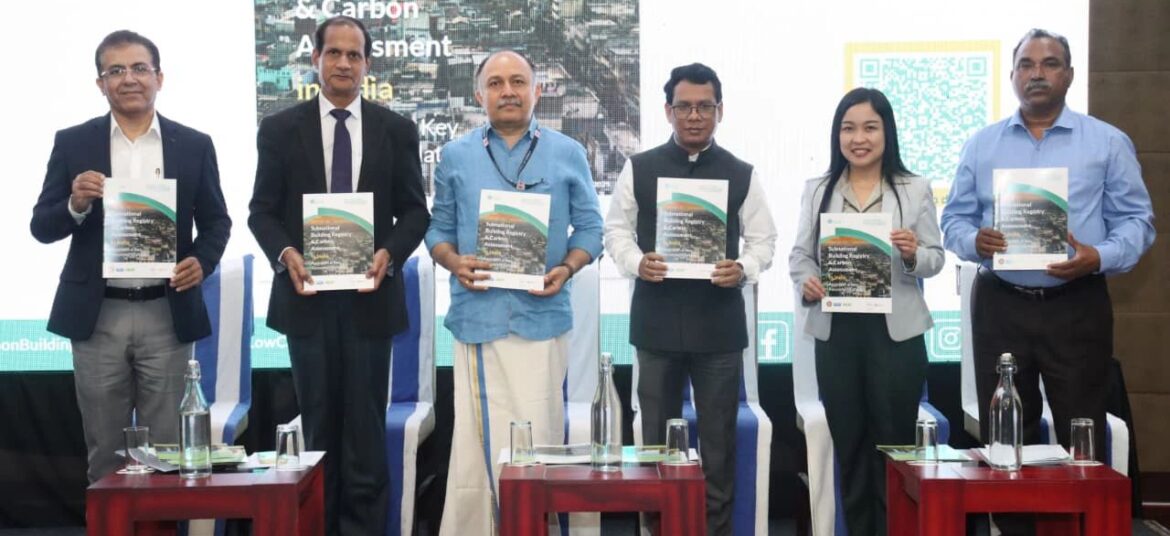
Addressing the critical gap, the key feature of the workshop was the launch of the approach and recommendations document on Subnational Building Registry & Carbon Assessment in India. Adding to this, “Data availability remains a key challenge for ECSBC implementation in India, and establishing a centralized repository will be critical,” shared Mr. Soumya P. Garnaik, Country Representative, GGGI India. The report outlines ALCBT’s approach and recommendations for developing subnational building registries and carbon assessment systems in India, with a focus on Kerala, Haryana, and Uttar Pradesh.
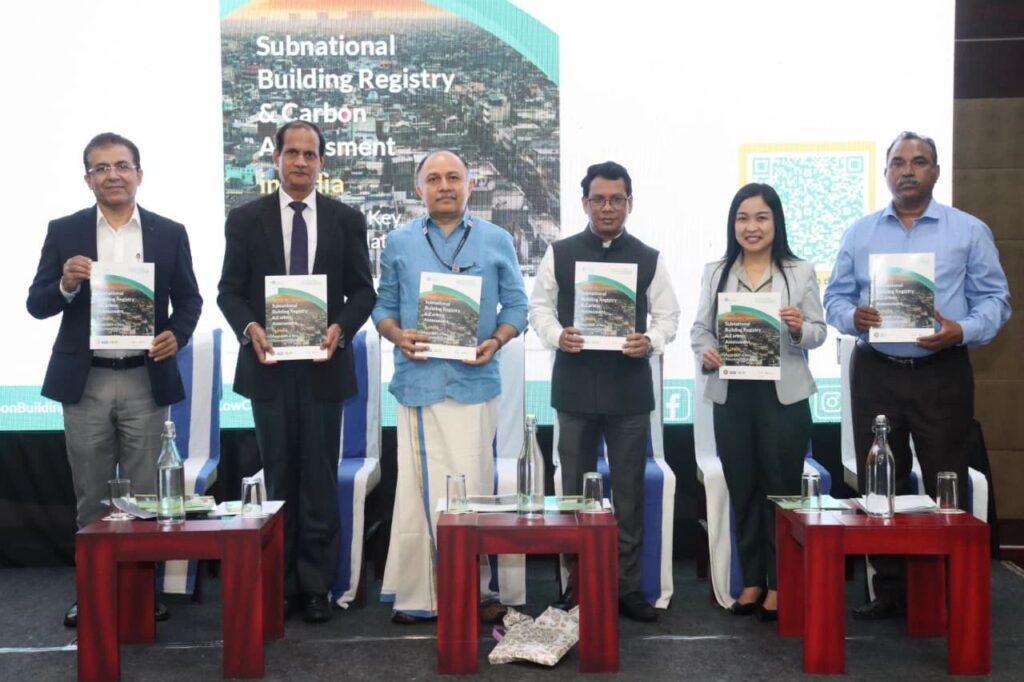
The report outlines strategies for:
- Integrating and institutionalization of energy and carbon assessment tools like BEAT into building permitting processes.
- Establishing centralized digital platforms for building data.
- Scaling pilot projects for low-carbon retrofits and sustainable new construction.
- Establishment of state-level Low-Carbon Building Task Forces, to oversee implementation of low-carbon standards and practices.
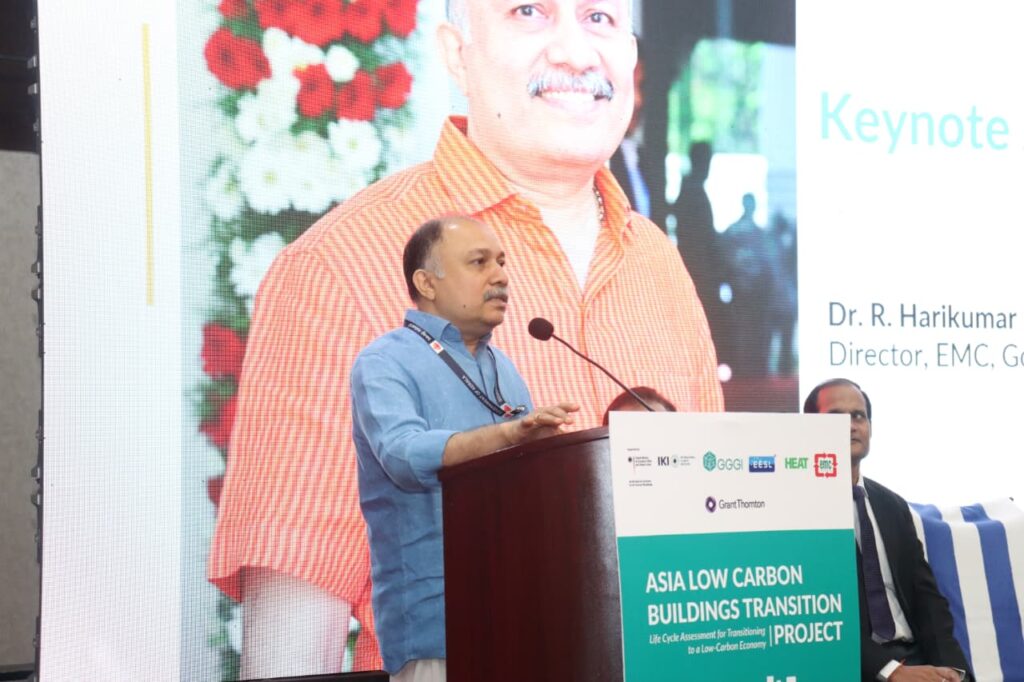
“Kerala has been at the forefront of ECSBC compliance, with innovative initiatives such as the Kerala Cool Roof Policy. By integrating energy and carbon assessments into the building permitting process, the state is enabling new developments to take a decisive step toward climate resilience,” shared Dr. Harikumar in his keynote address.
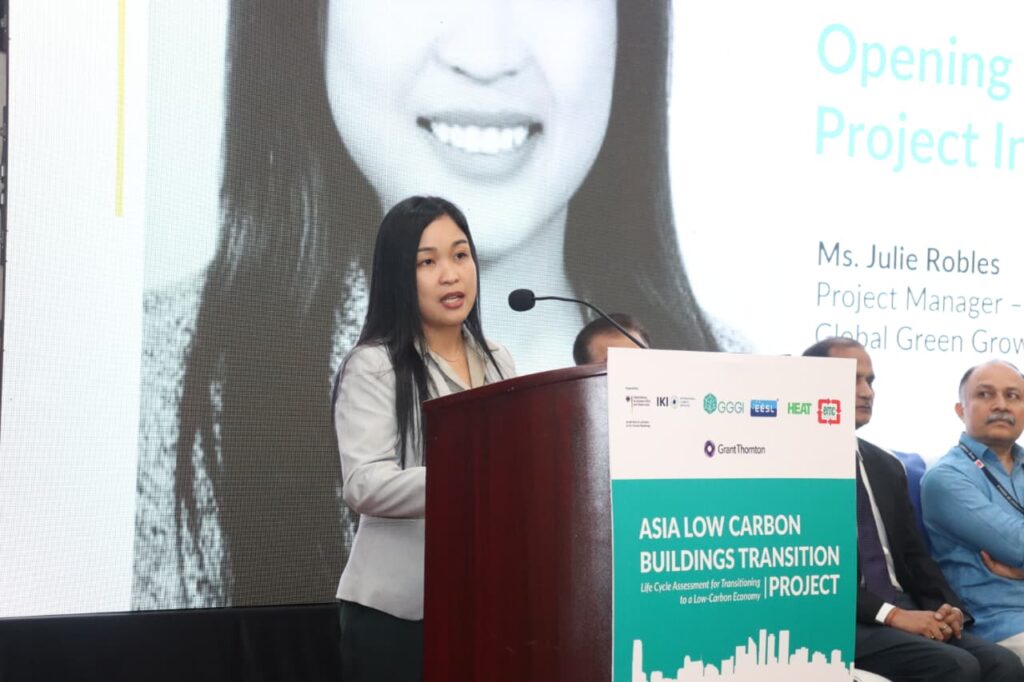
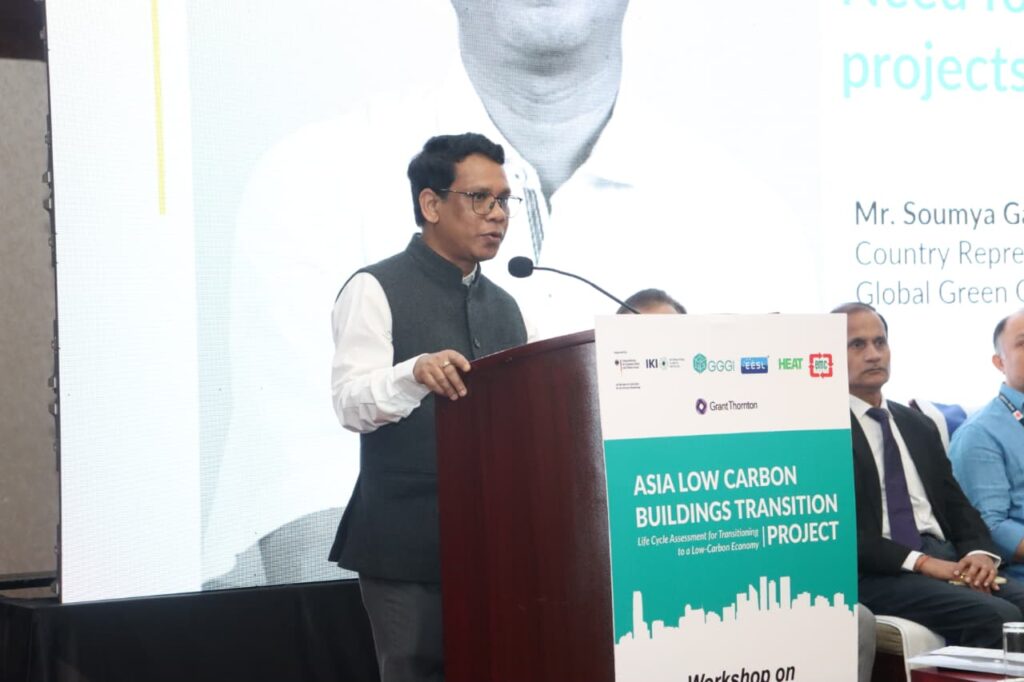
The workshop’s major highlight was a technical session with hands-on training on the emission assessment tool developed under the project. The session featured key findings from the ALCBT Building Registry presented by GGGI and a live demonstration of the BEAT by HEAT International, Germany.
The technical segment was followed by an interactive session with stakeholders, where sample building data from project states was used for live tool demonstrations, and participants shared feedback and recommendations for scaling the registry and assessment initiatives. “The ALCBT project complements the Government of Kerala’s efforts, particularly by establishing mechanisms to account for life-cycle emissions and enhancing the building registry process,” highlighted Ms. Julie Robles, ALCBT Project Manager, GGGI.
In his concluding remarks, Mr. Johnson Daniel, Head of NMEE & DSM at EMC Kerala, outlined state-level expectations. The workshop marked a significant milestone in operationalizing Kerala’s building registry and integrating low-carbon building assessment tools into policy and practice, paving the way for replication and scale-up across India under the ALCBT project.
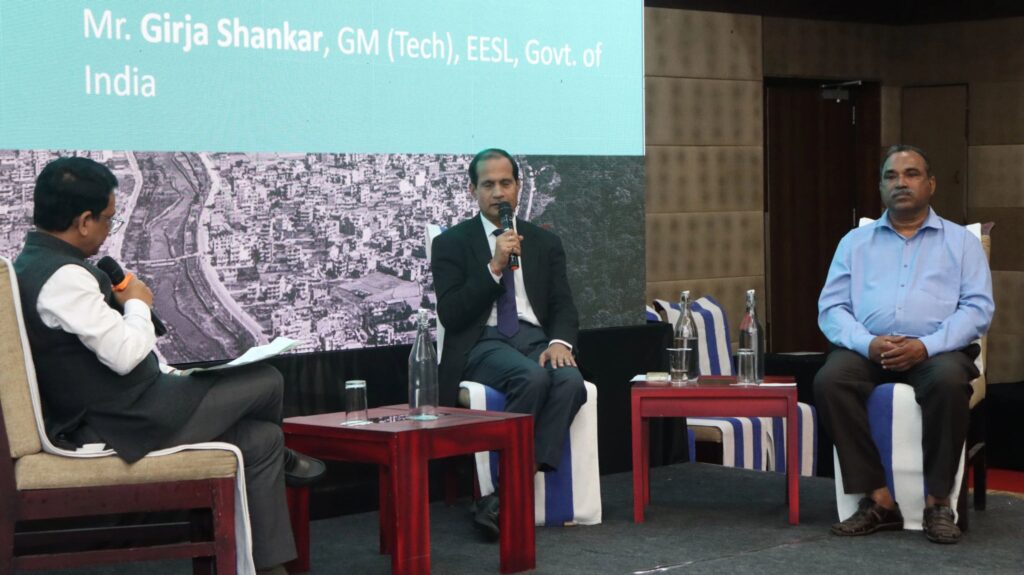 Fireside Chat with (left-right) Mr. Soumya P. Garnaik (Country Representative, GGGI India), Mr. Girja Shankar (GM, Tech, EESL), and Dr. R. Harikumar (Director, EMC Govt of Kerala)
About ALCBT
The Asia Low Carbon Buildings Transition (ALCBT) Project is a five-year initiative (2023-2028) that seeks to reduce GHG emissions by catalyzing nationwide transitions towards low-carbon buildings in five Asian countries: Cambodia, India, Indonesia, Thailand, and Vietnam. Funded by the Government of Germany’s Federal Ministry for Economic Affairs and Climate Action (BMWK), through the International Climate Initiative (IKI), the project is being implemented by a consortium led by GGGI and comprising the ASEAN Center for Energy (ACE), Energy Efficiency Services Limited (EESL), and HEAT International.
In India, the project operates under the guidance of the Ministry of Housing and Urban Affairs (MoHUA). Capacity building efforts in the country will benefit over 2,000 individuals, including government officials, architects, engineers, building developers and owners, ESCOs, financial institutions, material manufactures, and technology providers, to promote low carbon building design and sustainable practices. Learn more about project activities in India here.
For more information, visit: https://staging.alcbt.org