Notice: Function _load_textdomain_just_in_time was called incorrectly. Translation loading for the health-check domain was triggered too early. This is usually an indicator for some code in the plugin or theme running too early. Translations should be loaded at the init action or later. Please see Debugging in WordPress for more information. (This message was added in version 6.7.0.) in /var/www/html/staging_alcbt/wp-includes/functions.php on line 6131
Capacity Building Launched for Energy Managers and Auditors to Drive Low-Carbon Public Buildings Transition in Indonesia - Asia Low Carbon Buildings Transition

News

Capacity Building Launched for Energy Managers and Auditors to Drive Low-Carbon Public Buildings Transition in Indonesia


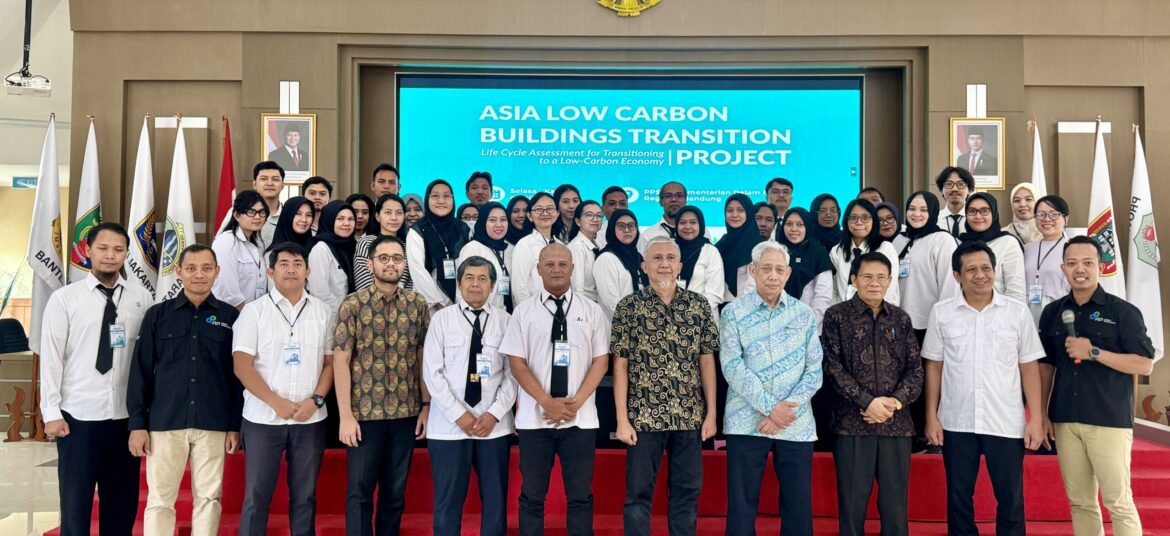
Bandung, Indonesia, July 8-10, 2025 – The Asia Low Carbon Buildings Transition (ALCBT) project launched its first batch of capacity-building program for energy managers and auditors to support Indonesia’s transition toward low-carbon buildings. The training was successfully organized by the Global Green Growth Institute (GGGI) in collaboration with the Ministry of Energy and Mineral Resources, Ministry of Public Works, and Ministry of Home Affairs.

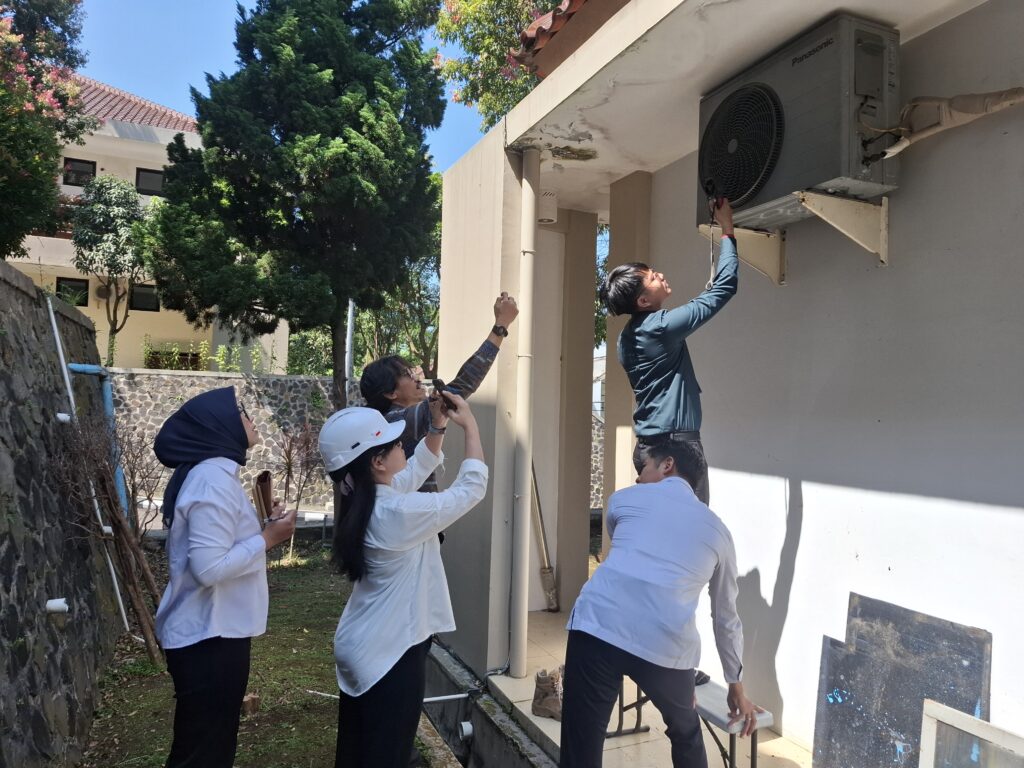
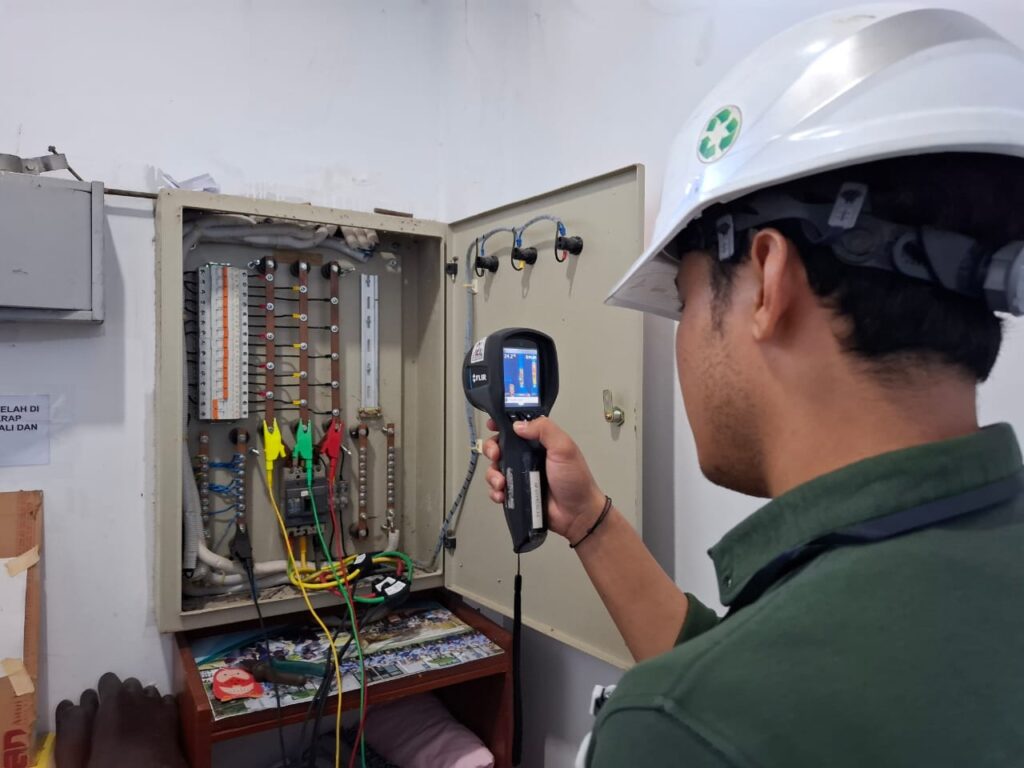
Nearly 40 participants attended the training at the Center for Human Resources Development of the Ministry of Home Affairs (PPSDM) – Regional Office in Bandung. The week-long program featured comprehensive training materials, classroom sessions, pre- and post-training assessments, along with on-site energy audits of the PPSDM facility. Participants gained both technical and managerial skills aligned with Indonesia’s national standards and certification frameworks, learning how to evaluate energy usage and identify actionable steps for improving energy efficiency in public facilities.
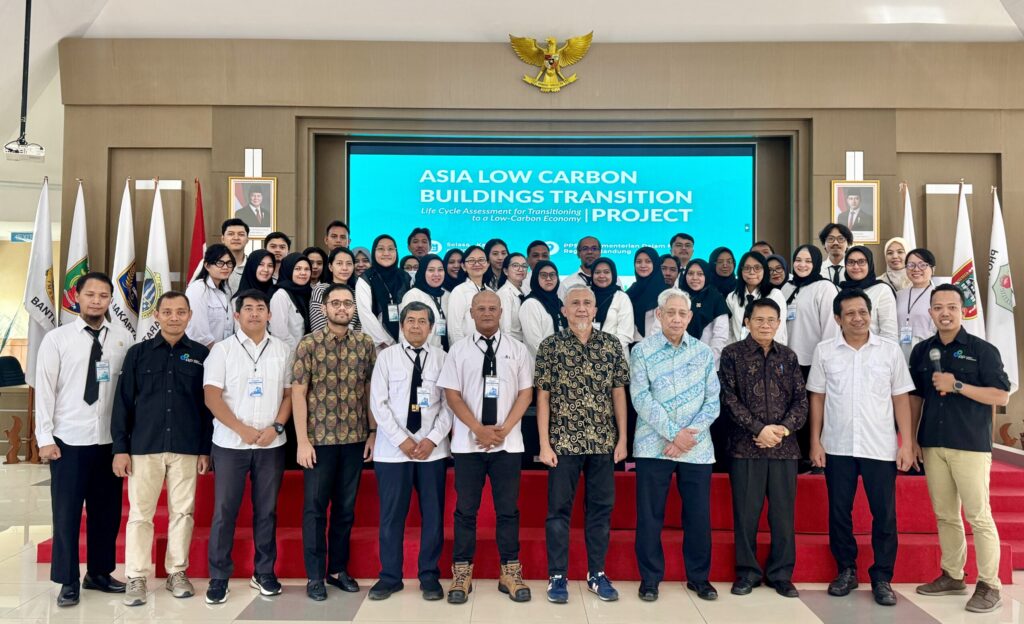
Opening the event were key stakeholders from national institutions and development partners, reflecting strong cross-sector support for Indonesia’s low-carbon building agenda. Vidya Fauzianti, Deputy Country Representative of GGGI Indonesia, emphasized the strategic role of energy professionals in enhancing efficiency and reducing emissions in government buildings: “Energy managers play a vital role in shaping and implementing energy management strategies. We hope this training can strengthen both the technical and managerial competencies needed to carry out those responsibilities effectively,” stated Fauzianti.

Dian Irawati, Director of Building and Environmental Sanitation Engineering at the Ministry of Public Works, underscored the link between this training and Indonesia’s broader low-carbon building agenda: “The central and local governments have taken active steps to meet emission reduction targets, including through the implementation of low-carbon government buildings. This training is part of our broader development framework for state-owned buildings.

Hendra Iswahyudi, Director of Energy Conservation, Ministry of Energy and Mineral Resources, linked the program to Indonesia’s Enhanced NDC targets, noting: “The training on energy management and energy auditing is an important step to strengthen Indonesia’s climate commitment. Under the Enhanced NDC, the government has set a target to reduce emissions in the energy sector by 358 million tons of CO₂ by 2030, with about 37 percent or 132 million tons expected to come from energy efficiency. Energy managers and auditors are therefore expected to play a crucial role in driving efficiency improvements in government and green buildings.”
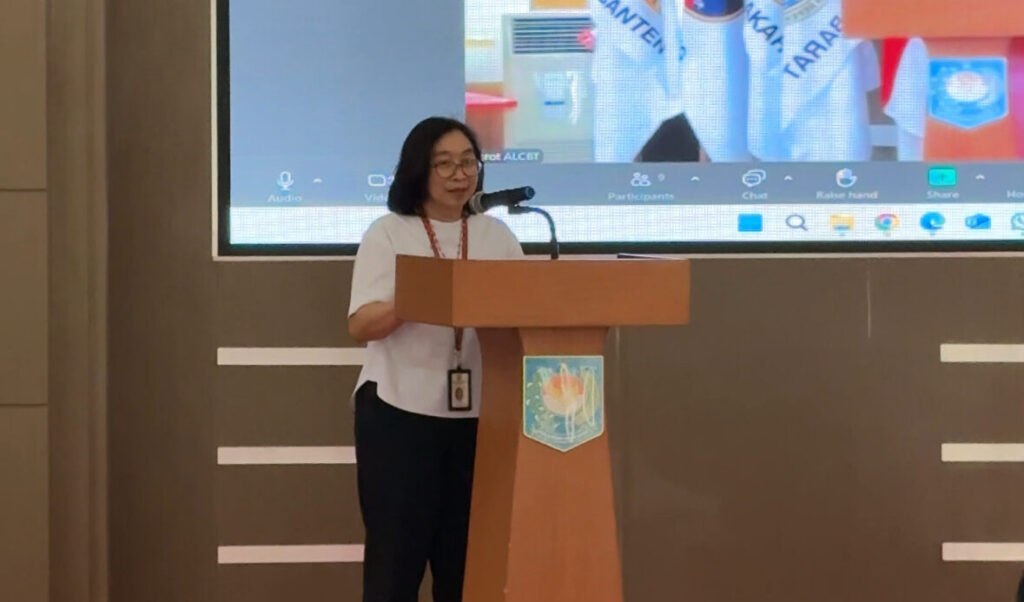
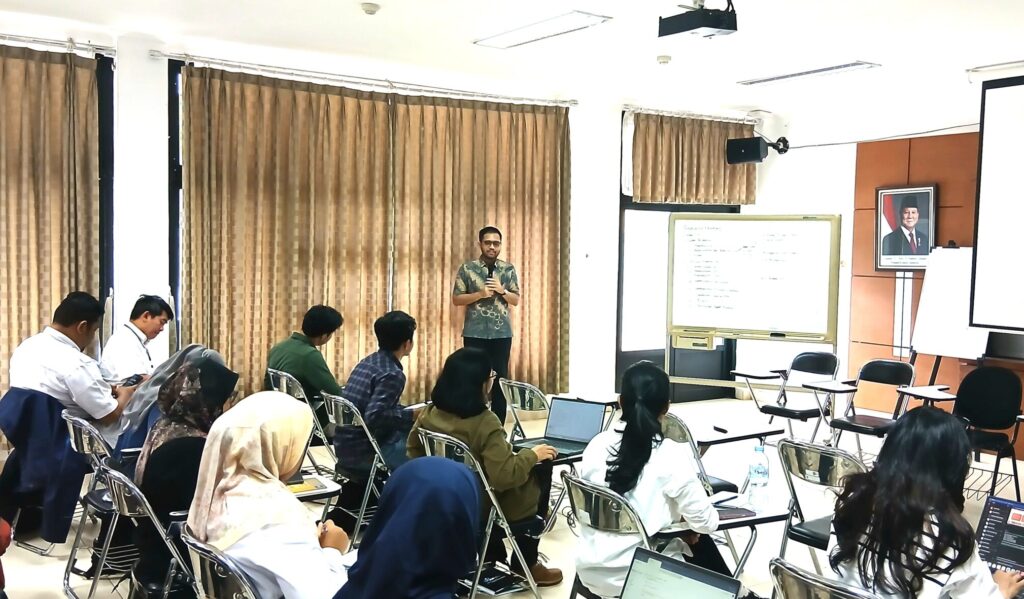
Ir. Dian Irawati, Director of Building and Environmental Sanitation Engineering, Ministry of Public Works
Ambolas Manalu, ALCBT Project Lead, GGGI Indonesia

The training modules drew on Indonesia’s competency standards (SKKNI No. 33/2021 for Energy Managers and SKKNI No. 53/2018 for Energy Auditors) and cover energy audits, Net Zero Carbon Building concepts, national energy policies, and building energy performance evaluations. Both trainings are designed to prepare participants for national competency certification (SKK) and equip them to contribute effectively to the decarbonization of Indonesia’s building sector.

Facilitators included national trainers such as Rana Yusuf Nasir, who stressed that effective mitigation such as improving energy efficiency and transitioning to renewable energy is essential to reduce climate impacts and enhance the sustainability of building operations.

Participants also shared positive reflections on the training experience. Permata Gabriella, an Energy Auditor participant from the Ministry of Public Works’ Green Building Secretariat, said the training deepened her understanding of energy use in green buildings and provided insights into how energy efficiency improvements can be implemented, especially in government buildings to support national green building goals.

The Bandung training marks the first in a series of trainings under the ALCBT project, reflecting the ongoing commitment of GGGI and the Government of Indonesia to strengthen institutional capacity and accelerate the country’s low-carbon transition. Further sessions are planned to expand the reach and impact of this initiative nationwide.


About ALCBT  

The Asia Low Carbon Buildings Transition (ALCBT) Project seeks to significantly reduce GHG emissions by catalyzing nationwide transitions towards low-carbon buildings in Cambodia, India, Indonesia, Thailand, and Vietnam.

In Indonesia, the project is supporting the Government of Indonesia’s efforts to achieve its Net-Zero Emission target by 2060 through low-carbon building adoption through building emission assessment tools development, capacity building, regulatory strengthening, and financing facilitation.

For more information, visit:  https://staging.alcbt.org

Follow us on X | Facebook | LinkedIn | YouTube | Instagram 

Date
Countries
Thematic Areas
Scroll to Top