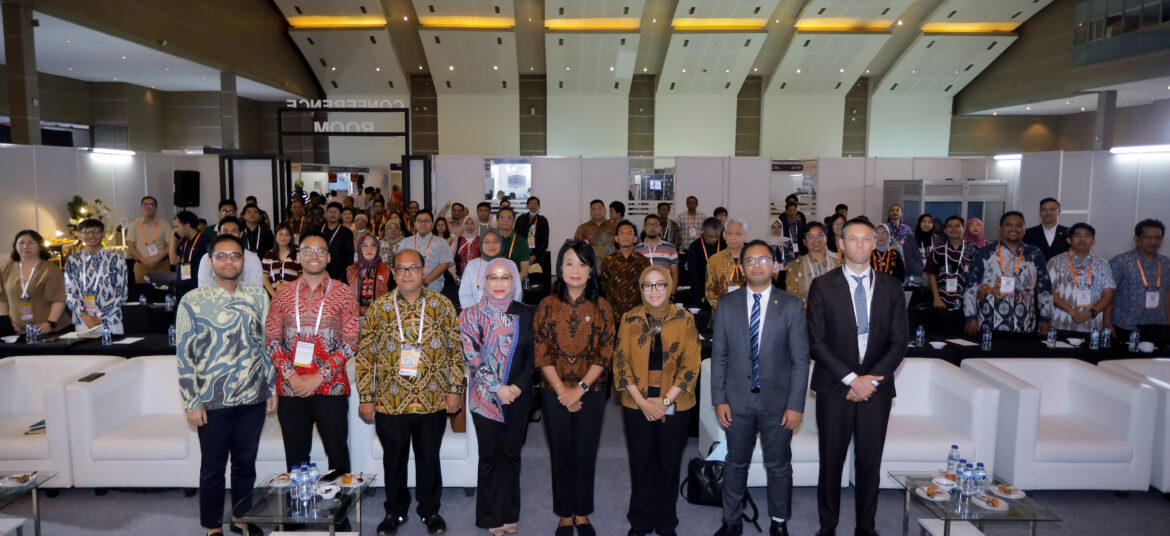

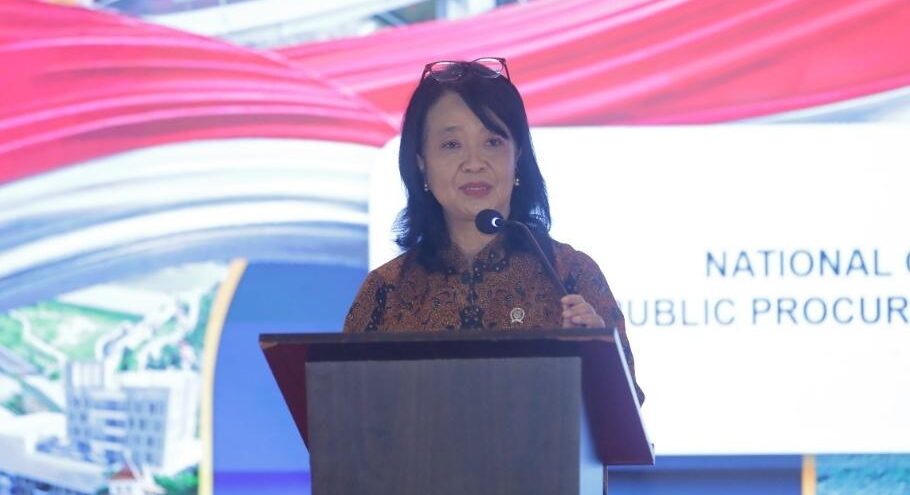
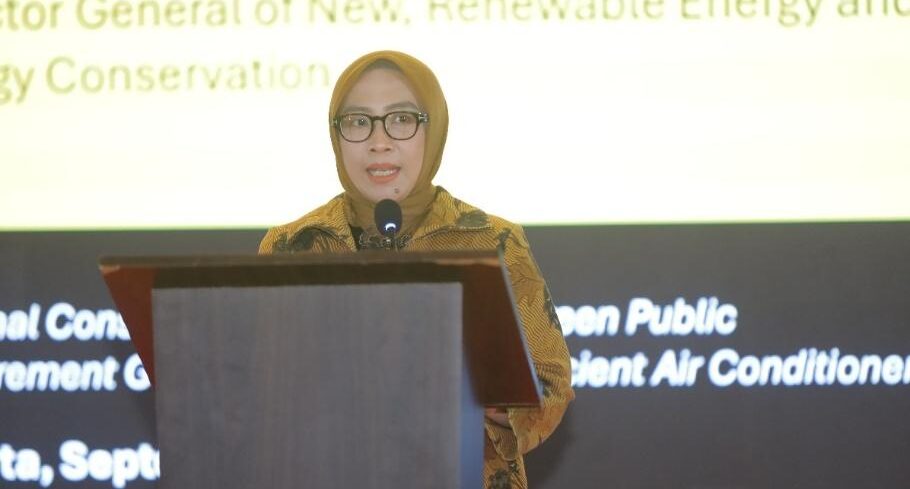
Energy consumption in the ASEAN and Indonesian building sectors is mainly driven by air conditioning due to the region’s tropical climate and humidity levels. At the GPP Workshop, ACE introduced GPP Guidelines for energy-efficient air conditioners, a measure designed to strengthen market demand for efficient cooling solutions in Indonesia.
“Green Public Procurement is a powerful tool for Southeast Asia’s low-carbon transition. By embedding efficiency into purchasing decisions—particularly for air conditioning, which accounts for the largest share of building energy use—governments can lead by example. This approach not only cuts emissions but also signals the market to innovate, encouraging producers and suppliers across the region to prioritize efficiency and sustainability in their products,” said Dato’ Ir. Ts. Razib Dawood, Executive Director of ACE.
“From assessing the most suitable cooling technology to identifying enabling policies, our efforts are targeted at bolstering energy efficiency in the building sector through innovative approaches to drive down emissions,” said Rowan Fraser, GGGI Country Representative for Indonesia.
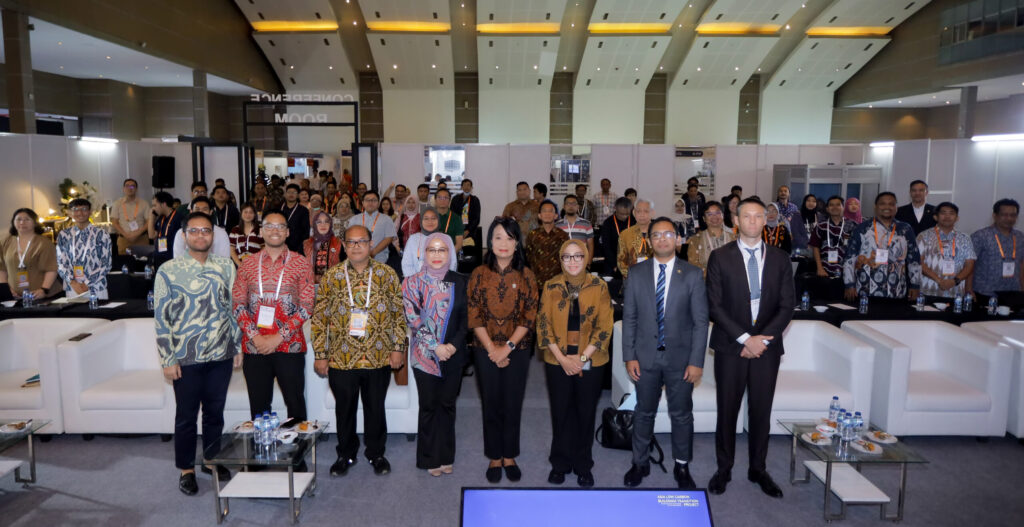
In addition to policy dialogue, the program emphasized the importance of integrating life-cycle carbon assessment tool into decision-making. Participants took part in capacity-building sessions on BEAT and natural refrigerants. These sessions provided awareness and practical tool for measuring, managing, and reducing emissions across the building life cycle. Learn more about BEAT.
The ALCBT project aims to use the momentum from these dialogues to develop key policy recommendations for the Government of Indonesia.
About ALCBT
The Asia Low Carbon Buildings Transition (ALCBT) Project seeks to significantly reduce GHG emissions by catalyzing nationwide transitions towards low-carbon buildings in Cambodia, India, Indonesia, Thailand, and Vietnam. Funded by the Government of Germany’s Federal Ministry for Economic Affairs and Climate Action (BMWK), through the International Climate Initiative (IKI), the project is being implemented by a consortium led by GGGI and comprising the ASEAN Center for Energy (ACE), Energy Efficiency Services Limited (EESL), and HEAT GmbH.
In Indonesia, the project is supporting the Government of Indonesia’s efforts to achieve its Net-Zero Emission target by 2060 through low-carbon building adoption through building emission assessment tools development, capacity building, regulatory strengthening, and financing facilitation.
For more information, visit: https://staging.alcbt.org. Follow us on X | Facebook | LinkedIn | YouTube | Instagram
About ACE
The ASEAN Centre for Energy (ACE) is an intergovernmental organisation within the Association of Southeast Asian Nations’ (ASEAN) structure that represents the 10 ASEAN Member States’ (AMS) interests in the energy sector. For more information, visit: aseanenergy.org.