
News
Thailand Discusses Mechanisms to Accelerate Energy-Efficient Building Upgrades
Bangkok, Thailand, 10 November 2025 — The Asia Low Carbon Buildings Transition project (ALCBT) in Thailand, led by the Global Green Growth Institute (GGGI) in partnership with Thailand’s Department of Alternative Energy Development and Efficiency (DEDE), has gained new momentum after convening three key events aimed at accelerating energy-efficient building upgrades through innovative mechanisms and policy measures.
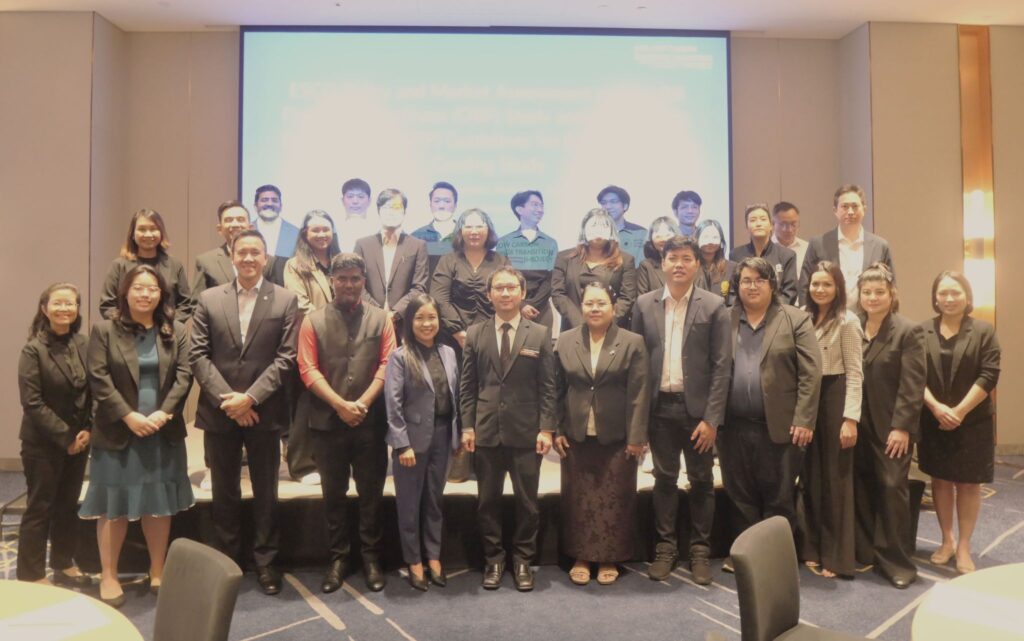
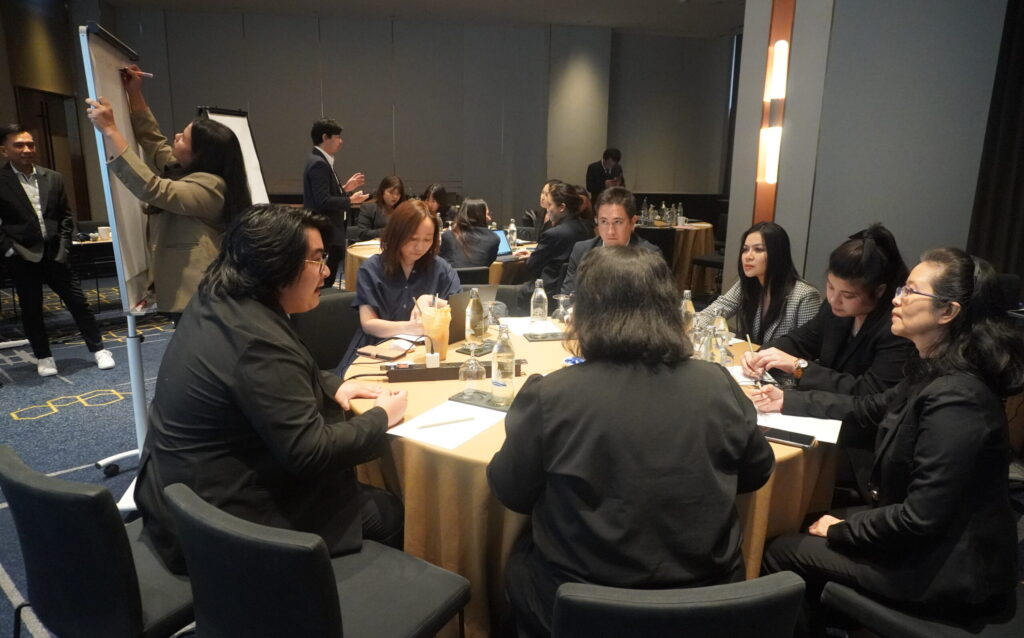
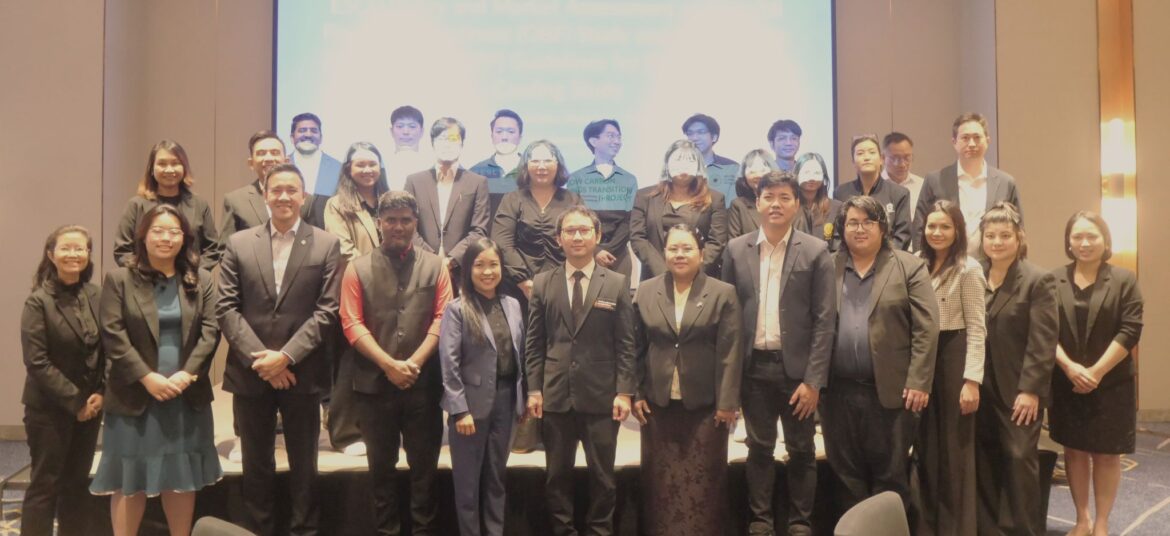
On 28 October, the ASEAN Centre for Energy (ACE), in collaboration with GGGI through the ALCBT project, held a workshop to present findings from three studies commissioned by ACE. The studies examined how on-bill financing, energy service company (ESCO) models, and green public procurement (GPP) can make upgrades more affordable and efficient.
The workshop brought together around 40 participants from government agencies, the Thai ESCO Association, financial institutions, and development partners in Thailand. It enabled participants to delve into the proposed measures and mechanisms recommended for practical adoption and to discuss strategies for accelerating implementation nationwide.
The On-Bill Financing Readiness Study in ASEAN highlights how households, businesses, and public buildings can upgrade to energy-efficient equipment, like LED lights, air conditioners, or better insulation, and repay the upgrade cost gradually through their monthly electricity bills for a duration aligned with the equipment’s useful life, ensuring the bills are cost-neutral.
Additionally, the ASEAN ESCO Market Assessment Study outlines the potential market size and proposes recommendations for Thailand to scale up energy-saving services through ESCOs and make the market more attractive and functional.
The Green Public Procurement (GPP) Guidelines for Energy Efficient Air Conditioners in Thailand provide a national framework for promoting the procurement of energy-efficient, environmentally sustainable, and climate-friendly air conditioners in the public sector in Thailand. The guidelines include procurement criteria such as energy-efficiency ratings, eco-labels, and product durability.
Pitcha Suthikul, Senior Professional Expert of the Department of Alternative Energy Development and Efficiency (DEDE), reaffirmed Thailand’s strong commitment to advancing low-carbon and energy-efficient development in the building sector, acknowledging challenges while emphasizing significant opportunities for energy-efficiency improvement and green innovation.
Naing Naing Linn, ACE’s Head of the Energy Efficiency and Conservation Department, stressed the urgent need for innovative solutions to overcome financing barriers in addressing the building sector’s growing energy demand in ASEAN, largely driven by space cooling needs. “These studies identify opportunities for scaling up approaches in Southeast Asia, including Thailand,” she said.
Julie Robles, Regional Manager of the ALCBT Project, highlighted “GPP has potential to drive demand for energy-efficient technologies through government-led market transformation initiative and that innovative financial mechanisms such as ESCO models and on-bill financing offer options to reduce direct fiscal burden”.
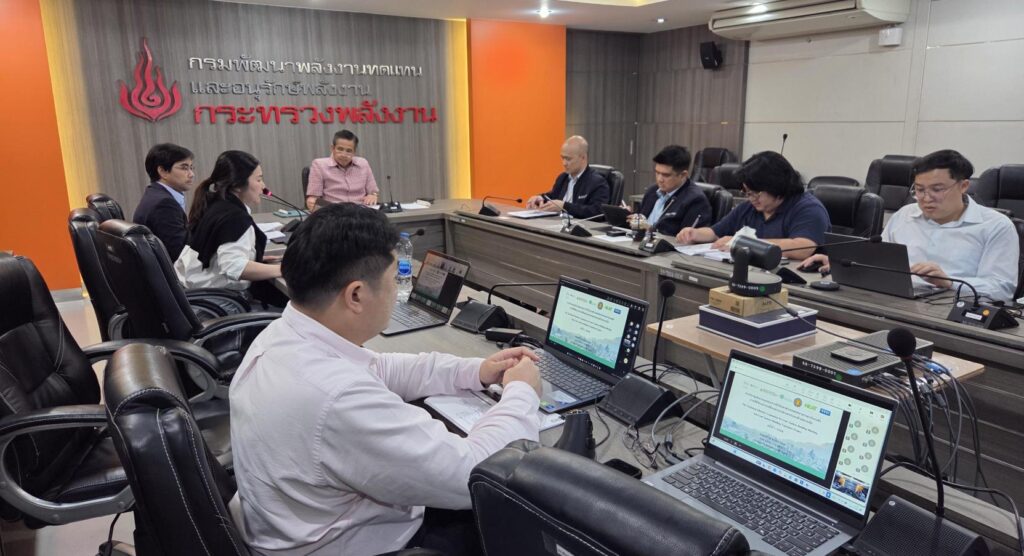
Earlier, on 24 October, findings from the three studies were also presented and discussed during two virtual meetings of ALCBT’s advisory committees, the Investment Advisory Committee for Promotion of Low-Carbon Buildings and the Technical Advisory Committee for Low-Carbon Buildings, to review recent achievements and plan upcoming activities.
Key milestones highlighted in the meetings included the launch of the Building Emission Assessment Tool (BEAT) in June 2025, attended by over 40 participants from Thailand’s public and private sectors. BEAT is a web-based platform that quantifies both embodied and operational carbon emissions throughout a building’s life cycle.
The project also advanced its regional work with the launch of the ASEAN BUILT (Building Investment for Low-Carbon Transition in ASEAN) platform in Kuala Lumpur, Malaysia, in October. ASEAN BUILT is a regional “one-stop shop” connects stakeholders in the building sector to accelerate investment and financing for low-carbon projects across ASEAN.
In Thailand, ALCBT is partnering with King Mongkut’s University of Technology Thonburi to develop a low-carbon building training module for over 700 professionals nationwide, with the first session scheduled for December 2025.
In addition, the ALCBT team presented ongoing work on a Green Finance Network framework, which aims to bridge the gap between financial institutions, policymakers, and low-carbon building developers, and outlined an investment promotion plan targeting EUR 20 million in funding for low-carbon buildings in the country.
Date
Countries
Thematic Areas
Categories
About ALCBT
The Asia Low Carbon Buildings Transition (ALCBT) project is a five-year multistakeholder initiative that seeks to significantly reduce GHG emissions by catalyzing nationwide transition towards low carbon buildings in Cambodia, India, Indonesia, Thailand, and Vietnam. Funded by the Government of Germany’s Federal Ministry of Economic Affairs and Climate Action (BMWK) through the International Climate Initiative (IKI), the project is implemented by the Global Green Growth Institute (GGGI) in partnership with the ASEAN Centre for Energy (ACE), Energy Efficiency Services Limited (EESL), and HEAT International.
In Thailand, the project works with public and private stakeholders to create a more sustainable pathway for the building value chain, focusing on reducing its growing carbon footprint by addressing barriers to energy efficiency adoption. It supports national commitment to reducing GHG emissions by up to 40% by 2030 and achieving carbon neutrality by 2050.
Follow us on X | Facebook | LinkedIn | YouTube
For more information, visit: https://gggi.org | https://staging.alcbt.org/